The Movie Played Second Fiddle to the Voice in My Headphones

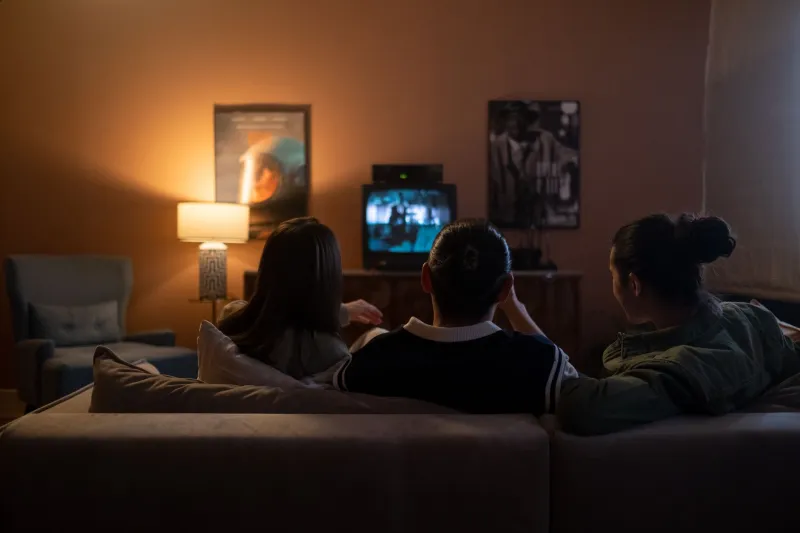
Photo: DERDAKI ILIAS, CC BY-SA 4.0, via Wikimedia Commons
I did not plan to spend October listening to people talk over movies. It started with a scratched DVD and a remote-control accident. I hit the wrong button, a director's voice came through the speakers, and I never hit stop. Four weeks later, I had a new habit and a slightly different understanding of how films get made.
The rule was simple: one movie per week, commentary track on, no pausing to check my phone. I picked a scrappy indie, a mid-budget drama, a genre cult favorite, and a studio blockbuster. I wanted range. I got range. I also got four very different lessons in how people explain their own work.
Week One: The Indie That Sounded Like a Garage Band
The first film was a no-budget feature shot in someone's actual apartment. The commentary included the director, the editor, and a producer who sounded like she was calling in from a car. Nobody performed expertise. They argued about a scene that had been saved in the edit, laughed at a boom mic that was visible in the corner of one shot, and explained why they used a lamp from a hardware store instead of a rental package.
That was the most useful part. When you have no money, every choice is visible. The director kept saying, "We couldn't afford to hide anything, so we made the limitations part of the look." That is not a romantic slogan. It was a practical decision made at 2 a.m. with a credit card.
I rewound that section twice. Not because the movie was confusing, but because the commentary made the movie feel less like a finished object and more like a series of problems people solved together.
Week Two: The Mid-Budget Drama and the Art of Saying Nothing
The second commentary was the opposite. Two people, very polished, very careful. They talked about theme and intention and the color of a coat. They did not talk about money. They did not talk about the schedule. Every now and then, one of them would start a sentence about a difficult day on set, and the other would gently steer it back to the finished product.
I found myself frustrated at first. Then I found it revealing. The silence was its own kind of commentary. You could hear what they wanted me to notice and what they wanted me to skip. It was a masterclass in how a director shapes not just a film but the story of the film.
Would I listen to that track again? Probably not all the way through. But I did learn something about tone. A commentary track can be a performance too. Sometimes the performance is honesty. Sometimes it is a very pleasant tour of the lobby.
Week Three: The Cult Favorite and the Joy of Specifics
The third week was the one I expected to be pure fan service. Instead, it was the most technically generous track of the month. The director and a longtime collaborator spent twenty minutes on a single chase sequence — where the camera was, why a certain lens made the street look longer, how they hid a broken axle with a well-placed fruit stand. It was like listening to two people rebuild a car while you drive it.
This was the track I recommended to a friend the next morning. Not because the movie is a masterpiece, but because the commentary treated craft as something you can share. There was no gatekeeping. No "you had to be there." Just two people who loved the puzzle.
Week Four: The Blockbuster and the Ego Problem
The final week was a studio movie with a big director and an even bigger budget. The track was slick, funny in places, and weirdly defensive. There was a lot of explanation about why certain choices were made, and not much curiosity about what those choices did. At one point, the director described a set piece as "the thing the audience came for." Maybe. But I kept thinking about the indie track from week one, where the audience was never assumed. The film had to earn them.
That is the trap of the big-budget commentary. When you have everything, you start to treat the movie as inevitable. The commentary becomes a victory lap. The scrappy track becomes a workshop. I know which one made me want to make something.
The Rankings, Since You Asked
Most worthwhile commentary of the month:
- The cult favorite. Specific, technical, generous. It made me want to rewatch the movie with a notepad.
- The indie. Messy and honest. The 2 a.m. problem-solving was the real education.
- The mid-budget drama. Polished and evasive, but useful if you listen for what is not said.
- The blockbuster. Fun in spots, but mostly a lecture about why the homework was already perfect.
How to Get More Out of a Rewatch
A few things I learned that are worth passing along:
- Pick the right movie. A commentary track is not a cure for a movie you actively dislike. Start with something you already know well enough to look away from.
- Use headphones. This is not a background-listen situation. The good stuff is in the small asides.
- Keep a note open. I jotted down three things per film: one craft choice, one money choice, and one thing the director avoided. That small habit made the month feel less like a stunt.
- Do not expect the movie to improve. Sometimes the commentary is better than the film. That is allowed. It is also the point.
- Turn it off when it stops being useful. A bad commentary can make a good movie feel like a conference call. You are not required to finish it.
By the end of four weeks, I had watched fewer movies than usual and thought about them more. The films did not get better or worse. My attention did. That feels like a fair trade for a month of listening to strangers explain their own work in my earbuds.