The Alternate Ending Was Better: Thirty Days of Watching What Got Cut
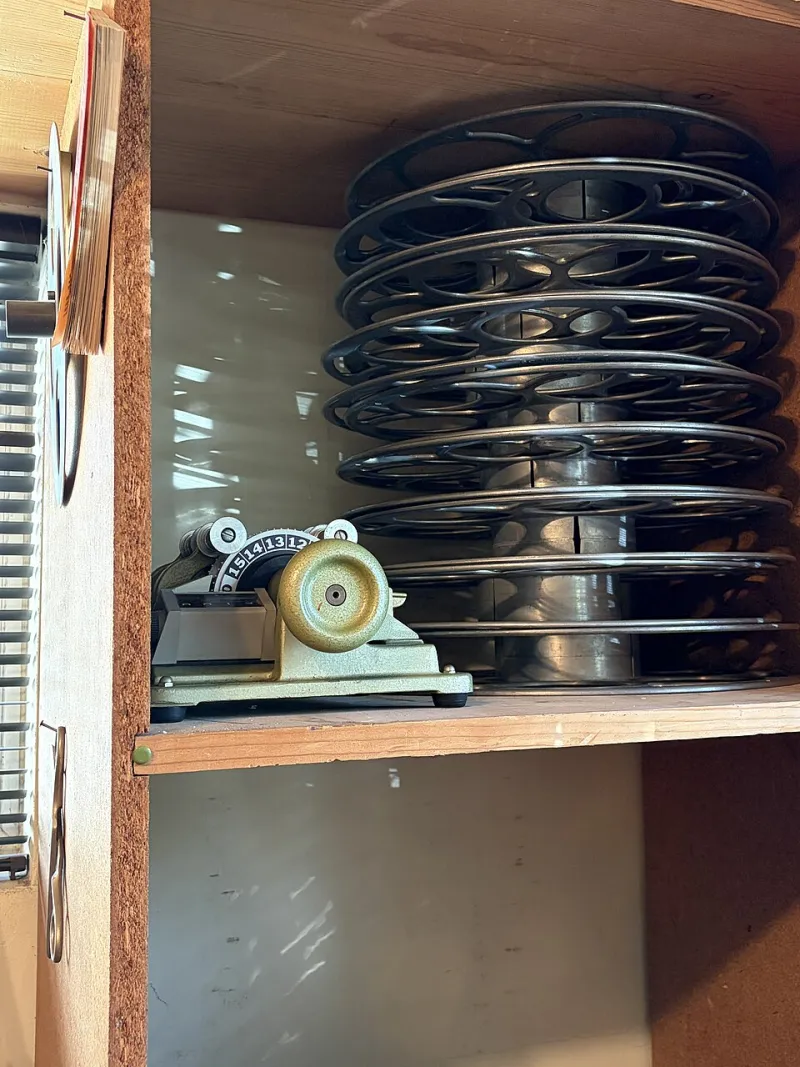
Photo: Jengod, CC0, via Wikimedia Commons
I have a bad habit that I suspect a lot of you share: I press play on the deleted scenes before I've even finished the movie. Not after. Before. There's something about a scene that got cut that feels like a secret the director accidentally left in the room. For one month, I made that habit the whole plan. Thirty days, thirty deleted scenes, alternate endings, and bonus-feature fragments — often watched before I revisited the film itself.
The rules were simple. One piece of cut material per day. No commentary tracks first, because I wanted my own reaction before anybody explained theirs. Take a note or two. Don't turn it into homework. By the end of week one I had a stack of index cards and a growing suspicion that the version that made it to theaters is often the least honest version of the story.
That sounds harsh. It isn't meant to be. A released film is a compromise between money, time, weather, test screenings, and somebody's cousin who thought the ending was a downer. The cut scene is what happens when the compromise gets a second look.
The First Cut Is Not the Final Cut
Most of what I watched wasn't legendary lost footage. It was small stuff: a longer conversation in a kitchen, a character walking into a room and saying nothing, a shot of a car pulling away that lasted four seconds too long. In isolation, these clips felt like leftovers. In sequence, they started to feel like a different movie.
One pattern showed up fast: cut scenes are usually quiet. They're the breathing room. A director shoots a scene where two people sit on a porch and don't resolve anything, and then a test audience says the movie "slows down in the middle," and that porch is gone. What's left is a tighter film and a slightly less human one.
I started keeping a tally. Of the thirty clips, maybe eight were genuinely bad — redundant, overacted, or explaining something the finished movie already implied. The other twenty-two weren't bad. They were just expensive to keep.
Tone Is a House of Cards
Here's the thing I didn't expect: a single deleted scene can flip the tone of an entire film. I watched a cut sequence from a 1990s drama where a supporting character gets a small, ugly moment of cruelty. The theatrical cut leaves that character merely sad. The deleted version leaves them sad and culpable. Same story. Different moral universe.
That's the part that stuck with me. We talk about deleted scenes like they're trivia, but they're actually arguments. Somebody decided the movie was about one thing and not another, and the scene that got cut is usually the evidence for the other case.
This is also why director's cuts can be such a trap. Sometimes the longer version is richer. Sometimes it's just longer. I rewatched a couple of extended editions this month and found myself missing the discipline of the theatrical cut — the version where somebody in a suit said "we can't have both of these scenes" and was, annoyingly, right.
Pace Is a Living Thing
Deleted scenes are the best editing lesson you can get for free. When you pull a scene out of a finished film, you can feel the machinery underneath. A subplot disappears. A character's motivation gets thinner. A joke lands differently because the setup is gone.
I spent one week watching nothing but alternate endings, which is a weirdly emotional way to pass the time. An alternate ending is basically an X-ray of what the filmmakers were afraid of. Happy endings get tested. Ambiguous endings get tested. Somebody always wants the other one. In 2026, most of these endings are buried three menus deep on a streaming service, which is a shame — they're the closest thing we have to hearing a movie argue with itself.
What the Extras Don't Tell You
By the third week, I noticed the bonus features were shaping my opinion before I had one. The little title card that says "Deleted Scene" primes you to expect something unfinished. The director's introduction tells you how to feel. I started muting the menus and watching the clips cold, and the experience changed completely. Without the framing, a cut scene is just a scene. Sometimes it's a great one.
The weirdest part? I began preferring the cut material in a few cases. Not because it was better filmmaking, but because it was less managed. The released movie is a product. The deleted scene is a draft. And drafts are where you can see the person making choices.
The Version You Never Saw Is Still a Version
I'm not going to pretend that thirty clips turned me into an editor. I still don't know why some scenes get cut and others survive, and I suspect the honest answer is often "schedule" or "somebody's contract." But I do know this: the movie you watch is not the only movie that exists. It's the one that won.
Next time you're on the couch and the credits are rolling, don't reach for your phone just yet. Dig into the extras. Watch the scene that didn't make it. You might find a better movie in there — or at least a more honest one. Either way, you'll never look at a final cut the same way again.