The First Five Minutes Are the Hardest Reservation: Seven Dinners, Seven Openings, One Week of Paying Attention
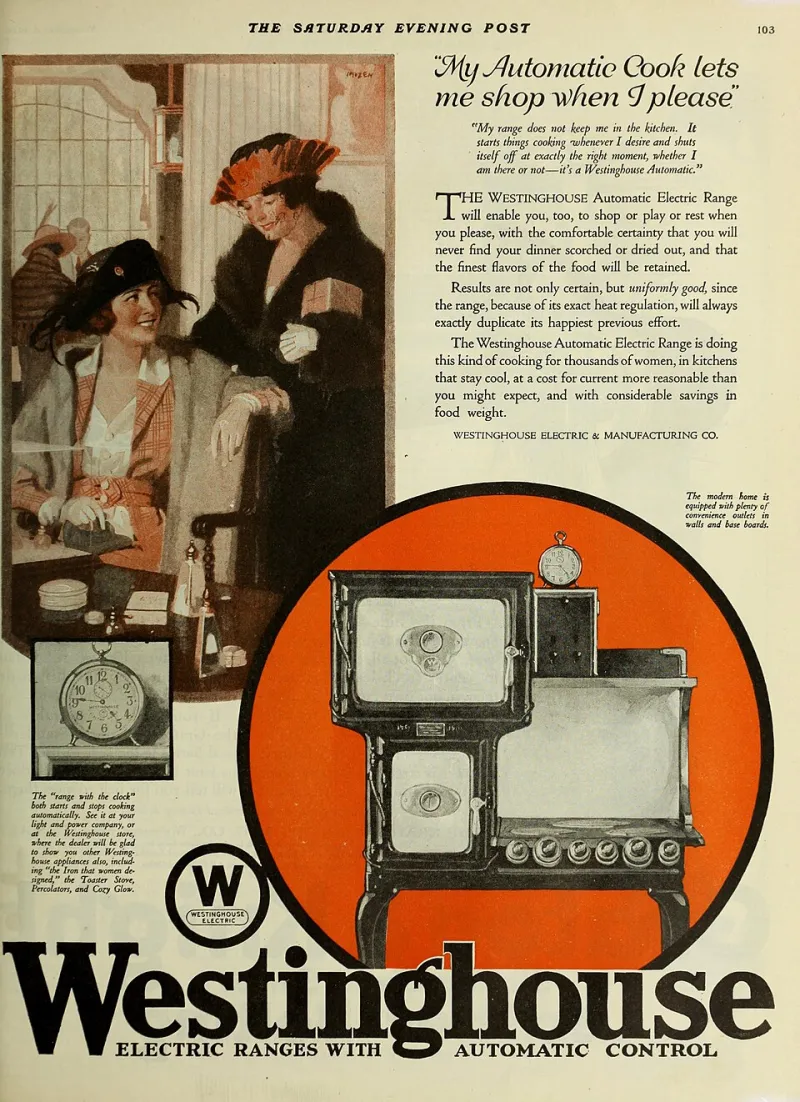
Photo: Internet Archive Book Images, No restrictions, via Wikimedia Commons
I have hosted plenty of movie nights where the credits roll, everyone exhales, and somebody says, “Okay, but what did you think?” Endings are easy to host. They give people a job: react. Beginnings are stranger. They ask you to sit down without knowing the rules yet.
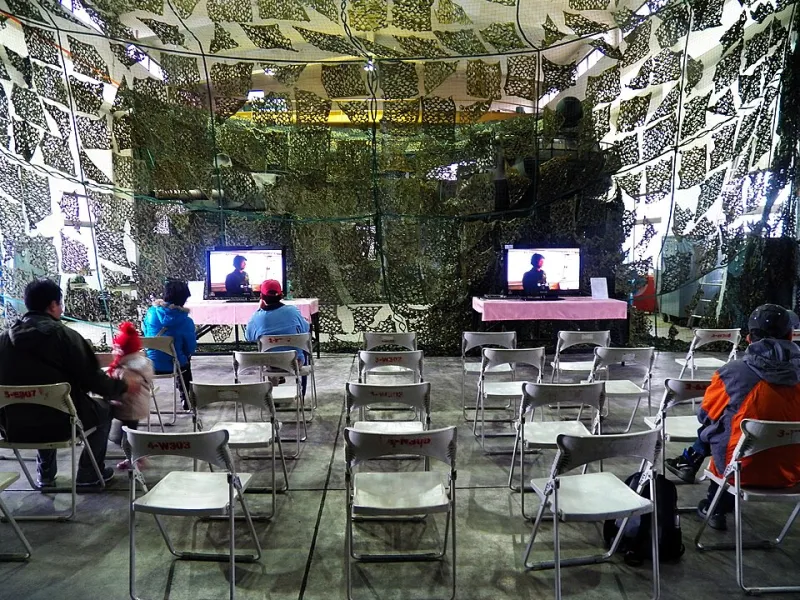
So I cleared a week in early November, right before the Thanksgiving planning got loud, and ran a small experiment: seven dinners, seven films, but only the first five minutes of each. I would cue the opening, cook with it running, plate as the scene ended, pause the movie, and eat. No phones. No “we’ll finish it later” promises. Just dinner and a first scene.
The Rule Was Simple, Which Is How I Knew It Would Break
The plan was not to review the movies. It was to notice what an opening does to a room. I wrote down two things each night: one sentence about appetite and one about attention. By Wednesday I had already broken my own rule and watched six minutes of something. By Friday I had stopped pretending this was a tidy experiment and accepted it as a week of paying attention on purpose.
The setup helped. My kitchen is not a screening room. The counter is too narrow, the overhead light is too bright, and the laptop sits at an angle that makes every opening scene look slightly tilted. That turned out to be useful. A first scene has to compete with a simmering pot, a stack of mail, and the part of my brain that wants to check whether I remembered to reply to a text.
The Menu Log, and What Each Opening Did to the Room
Monday: Diner breakfast for dinner, with Pulp Fiction. Eggs, toast, and coffee that was a little too burnt on purpose. The opening chatter made my kitchen feel like a booth. I ate faster than I meant to, which felt right and also a little embarrassing. Attention: the scene is all rhythm before it is plot.
Tuesday: Boxed mac and cheese with too much black pepper, with Whiplash. The dark hallway and the snare drum made the pasta taste like adrenaline. I stopped stirring. Appetite: gone. Attention: total. I stood still for the last two minutes with a wooden spoon in my hand like it was a baton.
Wednesday: Frozen pizza, with Do the Right Thing. The morning block, the credits, the heat already building. I turned off the overhead light and let the screen do more work. Appetite: normal. Attention: I noticed how much a neighborhood can function like a host, setting a tone before anyone says a word.
Thursday: Sunday gravy on a Thursday, with The Godfather. I used a cloth napkin, which is not normal for me on a Thursday. The opening’s formality made me sit up straighter. Appetite: serious. Attention: the movie starts by asking who gets heard, and that made the silence at my table feel different.
Friday: Sheet-pan ratatouille-ish vegetables, with Ratatouille. I burned the garlic because the opening was doing too much with smell and memory and I got distracted. Appetite: huge. Attention: scattered in the best way. This was the night the experiment stopped feeling like a stunt.
Saturday: Train-station sandwiches, with Before Sunrise. I ate on the couch instead of at the table. The opening conversation made the room feel like a place where strangers might actually talk to each other. Appetite: light. Attention: I kept noticing the pauses between bites.
Sunday: Leftovers, with The Grand Budapest Hotel. The framing and the voice and the little act of storytelling made leftovers feel like a reservation. Appetite: practical. Attention: I started thinking about hospitality as a storytelling choice. Who gets invited in? Who gets kept at the door?
What Beginnings Ask That Endings Don’t
Endings are generous. They tell you what the movie was about, or at least they tell you what to feel about it. Beginnings are stingier. They hand you a mood, a face, a room, a sound, and then they wait to see if you’ll stay.
That is not unlike having people over for dinner. You can spend all day on the food and still lose the room in the first five minutes if nobody knows where to sit or what to do with their coat. Hospitality is mostly a beginning. It is the part before the part everyone remembers.
Cooking to opening scenes made me notice how often I treat my own attention like a thing to be optimized. Skip the intro. Scrub the trailer. Start the podcast at 1.25 speed. Get to the next thing before the current thing has had a chance to set the table. In a year when everything seems designed to push you toward the next recommendation, the next update, the next purchase, five minutes of not knowing what comes next feels almost rude.
But it also felt good. The first scene of a movie is one of the few places left where you are allowed to be a little lost on purpose. You do not have to know the characters. You do not have to understand the rules. You just have to show up and let the opening do its job.
The Takeaway I Didn’t Expect
I thought this would be a cute menu log with a few film-school observations. Instead, it turned into a week of noticing how much I rush the beginning of things. I still ate too fast on Monday. I still burned the garlic on Friday. I still checked my phone once on Saturday, which was against the rules, and I am telling on myself because that is the whole point.
The experiment did not turn me into a slower, more present person. It gave me a small practice: start the scene, stand at the counter, and let the first five minutes ask something of me before I decide whether it is worth my time. That is a decent way to host dinner. It is also a decent way to watch a movie.
The ending can wait. The beginning is the reservation.