Halftime at Home: A Month of Stopping Movies at the Worst Possible Moment
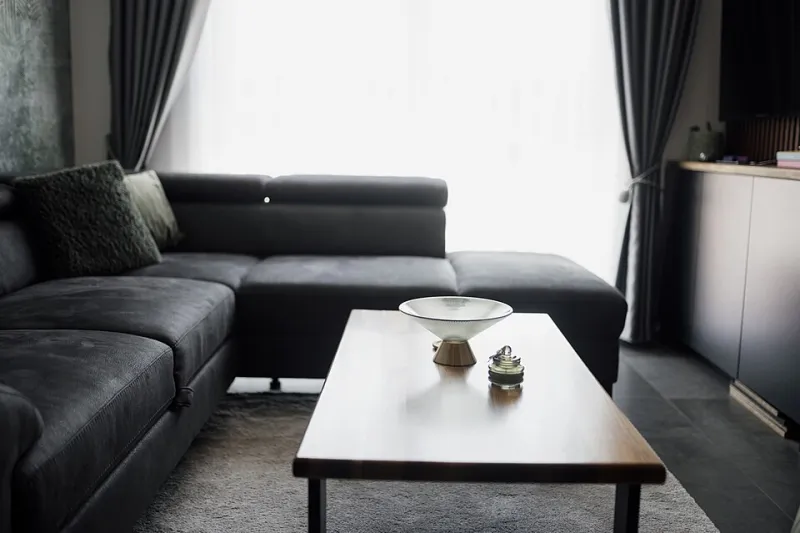
Photo: Shixart1985, CC BY 2.0, via Wikimedia Commons
The first pause felt like a minor act of vandalism. I stopped a movie fifty-two minutes in, right as a character was about to say something important, and walked to the kitchen for a glass of water. When I came back, the screen was frozen on a half-open mouth. I had fifteen minutes to kill before I was allowed to press play again. That was the rule.
The Rules I Made Up
I'd noticed something ugly about my home viewing: I was treating movies like background noise. Folding laundry, answering texts, scrolling through my phone during the slow parts. The pause button was sitting right there the whole time, but streaming apps treat it like a failure state — something you do when you're bored or interrupted, not something you choose.
So I built a small experiment. One pause per movie, roughly halfway through (I used runtime — anywhere from 45 to 55 percent). Fifteen minutes on a kitchen timer. Leave the couch. No second screen, no email, no "just one quick video." When the timer beeped, I resumed exactly where I left off. No rewinding. No do-overs.
Week One: The Fidgeting Problem
The first few nights were embarrassing. I didn't know what to do with the break. I paced the living room. I checked the clock. I almost opened a different app just to have something moving on a screen. My attention span had been trained to fill every gap with more input, and fifteen minutes of nothing felt like a power outage.
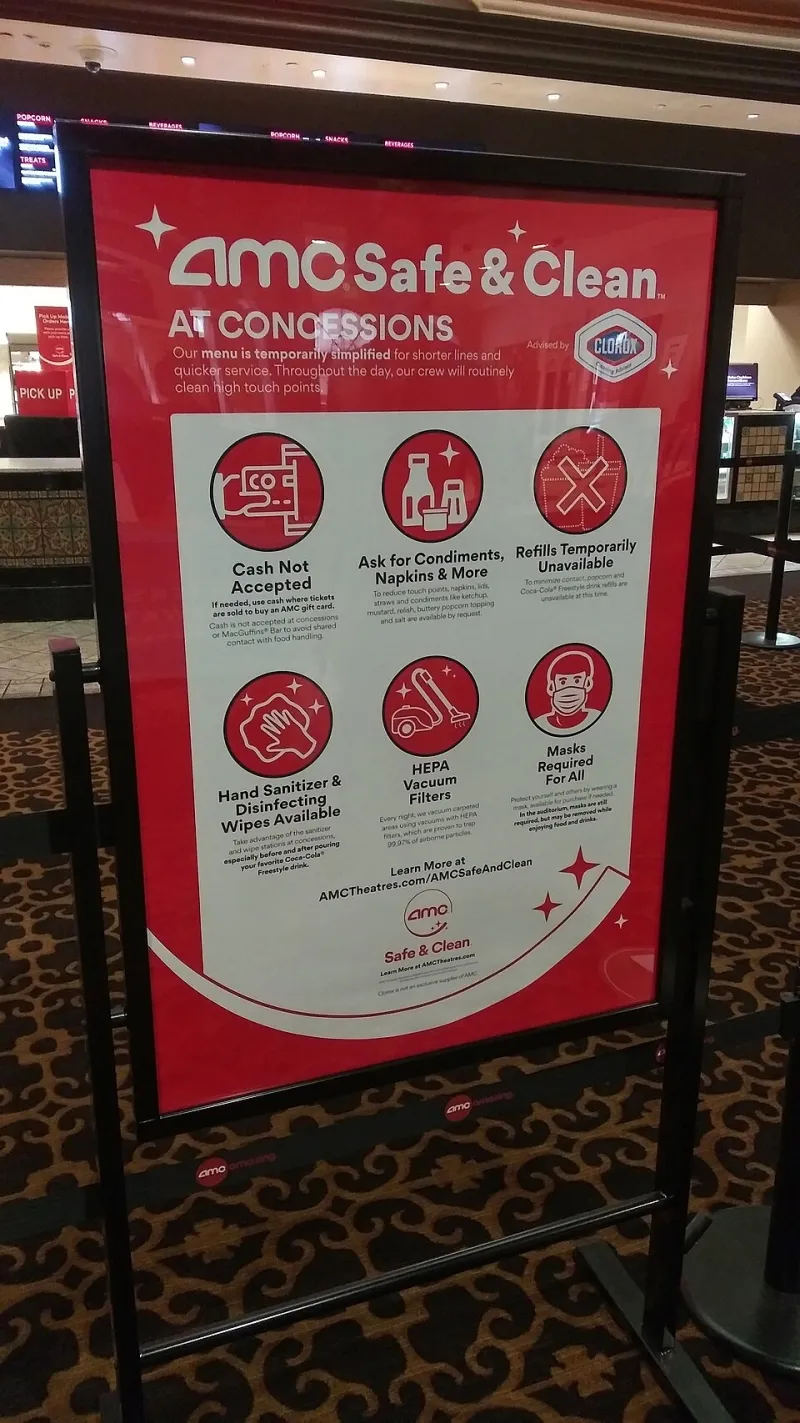
By night four, I started doing small chores during the pause. Wiping the counter. Taking out the recycling. Refilling the water pitcher. It felt less like a void and more like the lobby of a theater — that weird, pleasant limbo where you stand in line for the bathroom and overhear strangers arguing about the plot. Except the strangers were just me and my own thoughts.
The Snack Situation
Before the experiment, my snack habits were a slow-motion disaster. I'd start with a bowl of something and graze through the entire runtime, barely tasting any of it, then wonder where the crumbs came from. The break changed the math. I started prepping one deliberate snack for the intermission itself — usually popcorn on the stove, which takes about as long as the pause anyway. The boundary did the work. I ate less, noticed more, and the couch stayed a lot cleaner.
There was a side benefit I didn't expect: fewer mid-scene bathroom runs. If I handled it during the break, I wasn't missing dialogue in the second act.
Attention, Rewired
The surprising part was what happened after I hit play again. I was more locked in. The second half of a movie started to feel like a separate act, with its own momentum. Films that normally blurred into one long smear suddenly had a spine. I remembered character names. I caught setups and payoffs I'd usually miss. The pause gave my brain a chance to file things away, like a chapter break in a book.
One night I paused a two-hour-forty-minute movie at the seventy-eight-minute mark, made tea, and spent five minutes talking out loud about a side character I couldn't figure out. When I went back, I noticed a detail in the next scene that answered the question. I would have missed it if I'd been scrolling.
The Conversations
Post-movie talk got longer. Normally my partner and I would say "that was good" and immediately start scrolling. With a break, we'd already been talking — "wait, why did she lie about the brother?" — and after the credits, we kept going. The intermission gave us a shared midpoint to compare notes. It turned watching into a two-part event instead of a single gulp.
When It Backfired
Not every movie wants a break. I paused a comedy at a joke and the rhythm died — the silence just sat there, waiting. A thriller with a ticking-clock sequence was worse: bad idea, wrong pause point, momentum gone. I learned to pick the break at a scene change or a natural lull, not a cliffhanger. Some nights I skipped the pause entirely. The rule was permission, not command.
The Streaming Problem
In 2026, the pause button is technically there, but the interface fights it. Autoplay. "Up next." Thumbnails that spoil the next scene. One app dims the screen after a minute, like it's disappointed in me. I started using the TV remote's pause and then physically turning off the display, or throwing a towel over it. The deliberate break requires a little friction — which is kind of the point.
A Little History
Intermissions weren't always special. Roadshow presentations in the 1950s and '60s built them in — Lawrence of Arabia had one, Gone with the Wind too. The logic was practical: reels, bathrooms, concessions. Somewhere along the way, home viewing decided that stopping was a failure. But a pause is just a different cut. It's not a bug; it's a feature nobody markets.
What I'm Keeping
After thirty days, I'm not going back to full-length grazing. I'll keep the break for anything over two hours. I'll keep the timer. I'll keep the no-second-screen rule, even when it's annoying. The pause button might be the most underrated feature in streaming — not because it's fancy, but because it hands you back the room, the snack, and the conversation.
If you try it, start with a movie you've already seen. Or don't. Just press pause halfway through and see what happens in the fifteen minutes. The worst case is you get up, stretch, and come back to a better second half.