Seven Nights, Zero Subscriptions: What a Library Card Actually Gets You in 2026
There is a specific kind of guilt that comes with paying for four streaming services and still scrolling past everything. I know the feeling. On a Tuesday night in October, I opened my watchlist, saw 63 titles I had allegedly been excited about, and closed the laptop. Then I remembered the library card in my wallet. It had been there for two years, mostly used for hold requests and the occasional printing emergency. For one week, I decided to make it my entire entertainment budget. No Netflix, no Max, no rental buttons. Just the card.
The Rules I Set for the Week
Seven nights. Zero paid streaming. No audiobook credits. No sneaky $3.99 rental because I was bored. Whatever I watched, listened to, or attended had to come through my library card, the library building, or a library-sponsored event. I tracked three things in a notes app: money spent, time used, and a totally unscientific enjoyment score from one to ten. I also tracked the dumb stuff I usually do, like opening a streaming app, seeing nothing, and closing it again. That part was humbling.
Night One: The Streaming Apps Are Hiding in Your Library
I started with movies because that felt like the closest swap for my usual TV habit. Most US libraries offer some combination of Kanopy, Hoopla, and physical DVDs, though the exact catalog depends on your system. Mine offers both apps, and I had forgotten how good the selection can be if you are not chasing the newest release. I watched a 1970s thriller I had meant to see for years, plus two episodes of a British crime series that would have cost me a monthly add-on elsewhere. The picture quality was fine. The ads were nonexistent. The cost was zero dollars. Enjoyment score: 8.
The catch is that library streaming is not a mirror of the big services. You will not find every new blockbuster the week it drops. You might find a waitlist, a monthly credit limit, or a catalog that feels like a very good video store from 2009. That is not a bug for me. It forced me to choose instead of scroll.
Night Two: Audiobooks Are the Quiet Flex
I am not an audiobook person, or at least I was not. Libby changed that, mostly because the app is free and my commute is 22 minutes of dead air. I checked out a memoir, listened to the first chapter, and immediately felt like I had hacked a subscription service. The hold system is the real test of patience. Popular titles can take weeks. But the library also has a deep bench of older books, local authors, and weird nonfiction that nobody is fighting over. I finished 90 minutes of a book I would never have bought and added three more to my list. Cost: $0. Enjoyment: 7.
Night Three: The Calendar Is the Secret Menu
The best part of the week was not an app. It was a Tuesday night author talk at the library branch three miles from my apartment. I went mostly because I felt obligated to use the card for something besides screens. The room was half full. The author was funny. The cookies were free. I talked to a retired teacher about the book for ten minutes and left feeling like I had actually done something with my evening instead of watching a show about people renovating a beach house. Enjoyment: 9.
Night Four: DVDs Are a Time Machine
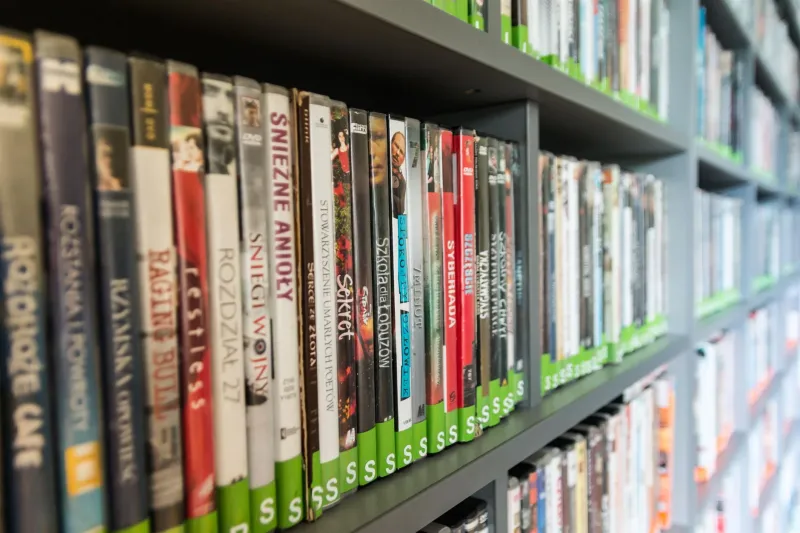
I borrowed two DVDs because I wanted to test the physical media experience. One was a comedy I had seen a dozen times. The other was a documentary I would never have found by searching. The DVD player I bought at a thrift store in 2021 finally earned its keep. There is something weirdly soothing about putting a disc in a machine and not being able to open another tab. The trailers at the front were annoying, but in a nostalgic way. Cost: $0. Enjoyment: 7.
Night Five: Workshops Count as Entertainment
I signed up for a free library workshop on phone photography. I expected a basic lecture. Instead, I got a hands-on hour with a local photographer who showed us how to use window light and stop zooming with our fingers. I left with three usable shots and a new trick for shooting food without making it look like a crime scene. If I had paid for the same class at a camera store, it would have been $60 or more. Enjoyment: 8.
Night Six: The Math Got Awkward
By Saturday, I had spent zero dollars on entertainment. My streaming subscriptions, if I had used them the way I normally do, would have cost me about $47 for the month. I am not saying the library replaced all of that. It did not replace live sports, and it did not replace the convenience of watching a new release without a wait. But it replaced more than I expected: movie nights, audiobooks, a live event, and a class. My average enjoyment score for the week was a 7.8. My average streaming scroll session is probably a 4.5. That is not a scientific study. It is just a guy with a notes app and a library card.
Night Seven: The Test Became a Habit
On the last night, I went back to the library to return the DVDs and pick up a hold. I also grabbed a flyer for a free financial planning talk and a used book sale. I did not cancel my streaming services. I am not that dramatic. But I did downgrade one and set a rule: before I open a paid app, I check the library first. That sounds small. It has already saved me two rentals and one bored purchase.
The Seven-Night Challenge
If you want to try this, here is the simple version. Night one: get or renew a library card. Night two: download Libby or whatever app your library uses. Night three: check the event calendar and pick one thing that sounds mildly interesting. Night four: borrow a DVD or a physical book. Night five: try a workshop or a class. Night six: compare what you spent with what you would have spent. Night seven: decide what you are keeping. The only rule is that you cannot pay for entertainment for seven nights. The library is not a silver bullet for the cost of everything. It is just the best deal in American entertainment that most of us ignore.